
A Guide to Tequila: The Spirit of Jalisco
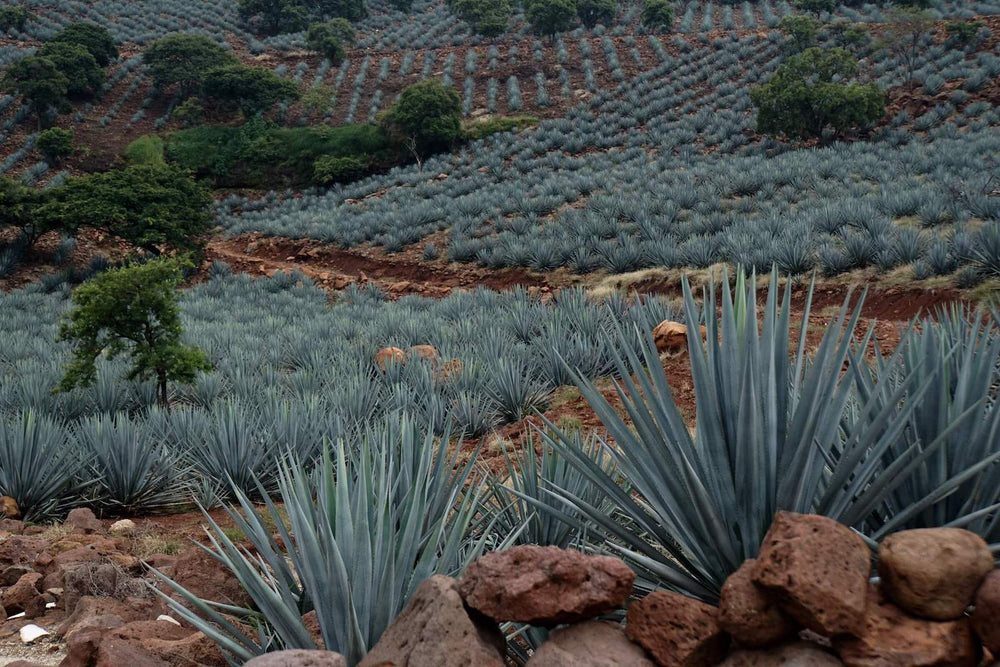
Forget the lime and salt of college nights past. True, well-made tequila is one of the world's most complex and expressive spirits—a pure distillation of a single, remarkable plant and the land it grows in. It’s a story of patience, tradition, and the fiery heart of Mexico.
Tequila At a Glance
- Origin: Mexico (primarily Jalisco)
- Primary Material: Blue Weber Agave (Agave tequilana)
- Key Flavors: Cooked Agave, Citrus, Pepper, Earth, Vanilla (aged)
- Color: Clear (Blanco) to Deep Amber (Extra Añejo)
- Rule #1: Must be made from 100% Blue Agave to be great.
What Is Tequila? A Spirit of Place
By law, Tequila can only be produced in five states in Mexico, with the vast majority coming from the state of Jalisco. It must be made from a minimum of 51% Blue Weber Agave, but the bottles you want to drink will always say "100% de Agave" right on the label. If it doesn't say that, it's a "mixto" tequila, which can contain up to 49% other sugars and is often the source of tequila's bad reputation. We only focus on the good stuff: 100% Agave.
From Plant to Piña: The Art of the Harvest
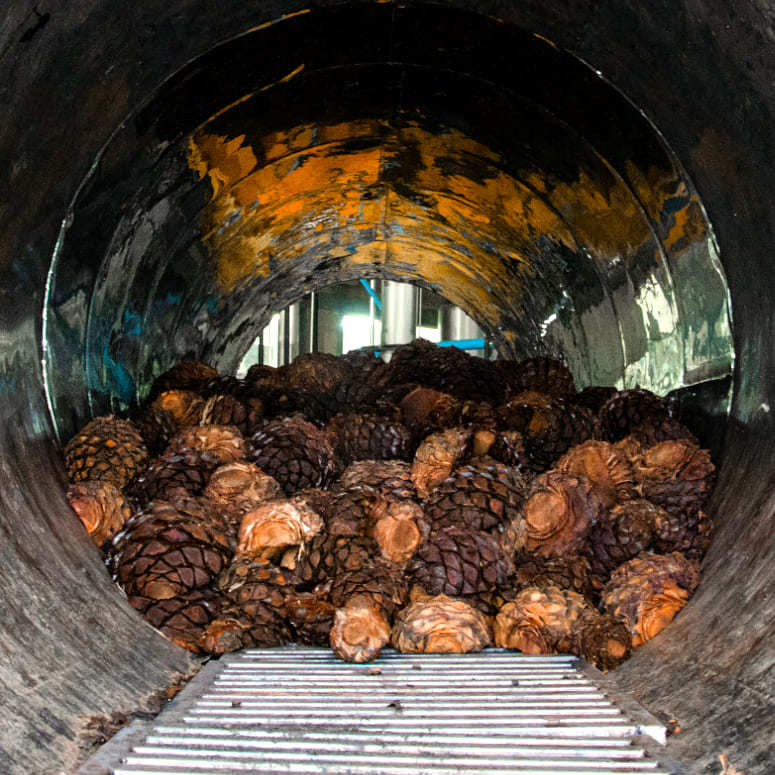
The Blue Weber Agave is not a cactus; it's a succulent that takes between 5 and 10 years to reach maturity. When it's ready, skilled harvesters, known as jimadores, use a sharp tool called a coa to expertly cut away the long, spiky leaves, leaving behind the heart of the plant—the piña. These massive piñas, which can weigh over 100 pounds, look like giant pineapples and are rich with the sugars that will become tequila.
Cooking, Crushing, and Fermenting
The raw piñas are then slowly cooked to convert their complex starches into fermentable sugars. The traditional method is to use brick ovens, which cook the agave for days and result in rich, sweet, caramelized flavors. A more modern method uses a high-pressure steam oven called an autoclave, which is faster but can yield a more neutral flavor profile. After cooking, the agave is crushed to extract the sweet juice (aguamiel), which is then fermented in large vats and finally, double-distilled in copper pot stills.
The Five Expressions of Tequila
The final character of a tequila is determined by how long (or if) it is aged in oak barrels.
Blanco (or Silver)
This is tequila in its purest form. Unaged or aged for less than two months, it is bottled right after distillation. This is where you taste the true, vibrant character of the agave itself.
Tasting Notes: Bright, peppery, and vegetal, with strong notes of cooked agave, citrus (lime and grapefruit), and black pepper. It’s the most energetic and agave-forward expression.
Good Brands to Try: Fortaleza, G4, El Tesoro, Siete Leguas
Reposado ("Rested")
A Reposado tequila is aged in oak barrels for a minimum of two months but less than a year. This brief time in wood mellows the spirit, softening the peppery spice of the blanco and adding gentle notes of vanilla and caramel.
Tasting Notes: A beautiful balance of cooked agave and oak. You'll find the citrus and pepper from the blanco, now joined by soft notes of vanilla, caramel, and a hint of baking spice from the barrel.
Good Brands to Try: Fortaleza Reposado, Siete Leguas Reposado, El Tesoro Reposado, Mijenta Reposado
Añejo ("Aged")
Añejo tequilas are aged for a minimum of one year but less than three years in small oak barrels. Here, the influence of the barrel becomes much more prominent, creating a richer, darker, and more complex sipping spirit.
Tasting Notes: The agave notes begin to take a backseat to the flavors from the oak: rich caramel, butterscotch, vanilla, and toasted nuts, with a long, smooth finish. This is a tequila for whiskey drinkers.
Good Brands to Try: El Tesoro Añejo, Fortaleza Añejo, Don Fulano Añejo, Tears of Llorona (a high-end example)
Extra Añejo ("Extra Aged")
Aged for more than three years, this is the richest and most complex category. These tequilas are deep, dark, and can rival the complexity of old cognacs or whiskies. They are meant for slow, contemplative sipping.
Tasting Notes: Deeply complex with layers of dried fruit, dark chocolate, tobacco, leather, and vanilla, all balanced by a thread of cooked agave sweetness.
A Quick Word on Mezcal
If Tequila is a type of Mezcal, what's the difference? While tequila can only be made from Blue Weber Agave, Mezcal can be made from dozens of different agave varieties. More importantly, in traditional Mezcal production, the agave piñas are cooked in an underground earthen pit with hot rocks and wood. This is what gives Mezcal its signature smoky, savory, and earthy flavor profile. It's Tequila's wilder, smokier cousin.